
Author: admin

  • The Role of AI & Automation in Workforce Planning

    The Role of AI & Automation in Workforce Planning

    In the rapidly evolving construction and industrial sectors, AI in workforce planning is no longer a futuristic concept — it’s a competitive necessity. Workforce management has shifted from spreadsheets and guesswork to data-driven, tech-powered strategies. At StrongForce, we’re leading this shift by integrating AI and automation into how companies manage and optimize their labour force. As a result, our clients see increased efficiency, reduced costs, and teams that adapt quickly to complex job site demands.

    Why Workforce Planning Needs a Tech Upgrade

    Traditional workforce planning methods often rely on manual scheduling, spreadsheets, or outdated software — all prone to human error and inefficiencies. In contrast, AI in workforce planning offers smarter solutions: analyzing vast data sets in real time, forecasting labour needs, predicting project bottlenecks, and automating schedules based on skill availability and project timelines.

    According to a recent Deloitte report, 41% of companies have already implemented AI in their workforce planning processes, and 63% of leaders expect AI to significantly impact how work is done over the next 3 years.

    Key Benefits of AI in Workforce Planning

    1. Real-Time Workforce Tracking

    StrongForce’s AI tools let managers track workforce activity in real time. Therefore, the right people are always in the right place.

    • Stat: Companies using real-time tracking report a 25% reduction in project delays and a 15% improvement in on-site productivity (McKinsey, 2023).

    2. Predictive Analytics for Demand Forecasting

    AI algorithms examine historical data, project timelines, and even weather conditions. As a result, they predict staffing needs more accurately.

    • Fact: Predictive analytics has helped businesses reduce labour costs by up to 12% and improve scheduling accuracy by 30% (Harvard Business Review, 2023).

    3. Automated Compliance & Credential Checks

    Compliance is critical in construction and industrial settings. StrongForce automates licence and certification checks, which reduces risk and HR overhead.

    • Fact: Automation can cut HR admin time by 40%, freeing up managers to focus on strategic decisions (PwC Workforce Survey, 2022).

    4. Smart Scheduling with AI

    Our platform doesn’t just assign shifts. Instead, it considers fatigue, past performance, skill levels, and job priorities to schedule smarter.

    • Insight: AI-enhanced scheduling systems improve labour efficiency by up to 20% and reduce unplanned absences by 15% (Gartner, 2023).

    How StrongForce is Using AI to Transform Job Sites

    At StrongForce, we don’t just preach tech — we build it into every part of our operations:

    • AI-Powered Mobile App: Tracks worker check-ins, task completion, and site activity live.
    • Dynamic Dashboard: Real-time insights into workforce productivity, attendance, and job progress.
    • Workforce Heat Mapping: Identifies where labour is most concentrated and where coverage gaps exist.

    Whether managing a small remodel or a large commercial project, our tools help clients stay compliant and on schedule.

    The Future Is Now

    The integration of AI and automation into workforce planning isn’t just a future-forward idea — it’s a present-day competitive advantage. Companies that embrace these technologies are not only seeing operational wins but also attracting top talent who prefer streamlined, tech-friendly work environments.

    A World Economic Forum report predicts that AI will create 97 million new roles by 2025, many of which will revolve around managing and interpreting data — a key part of modern workforce planning.

    Final Thoughts

    AI and automation are more than tools. They are transforming the construction and industrial sectors. With StrongForce, you’re not just planning your workforce — you’re future-proofing it.

    However, efficiency is only part of the equation. Security is just as important. That’s why we’ve partnered with LiveSecure, a provider of AI-powered security solutions. Their real-time reporting and mobile patrols ensure every job site is protected with the same tech-driven mindset that powers our workforce tools.

    Together, StrongForce and LiveSecure deliver a powerful mix of people, process, and protection — ensuring your job sites are staffed, secured, and set up for success.
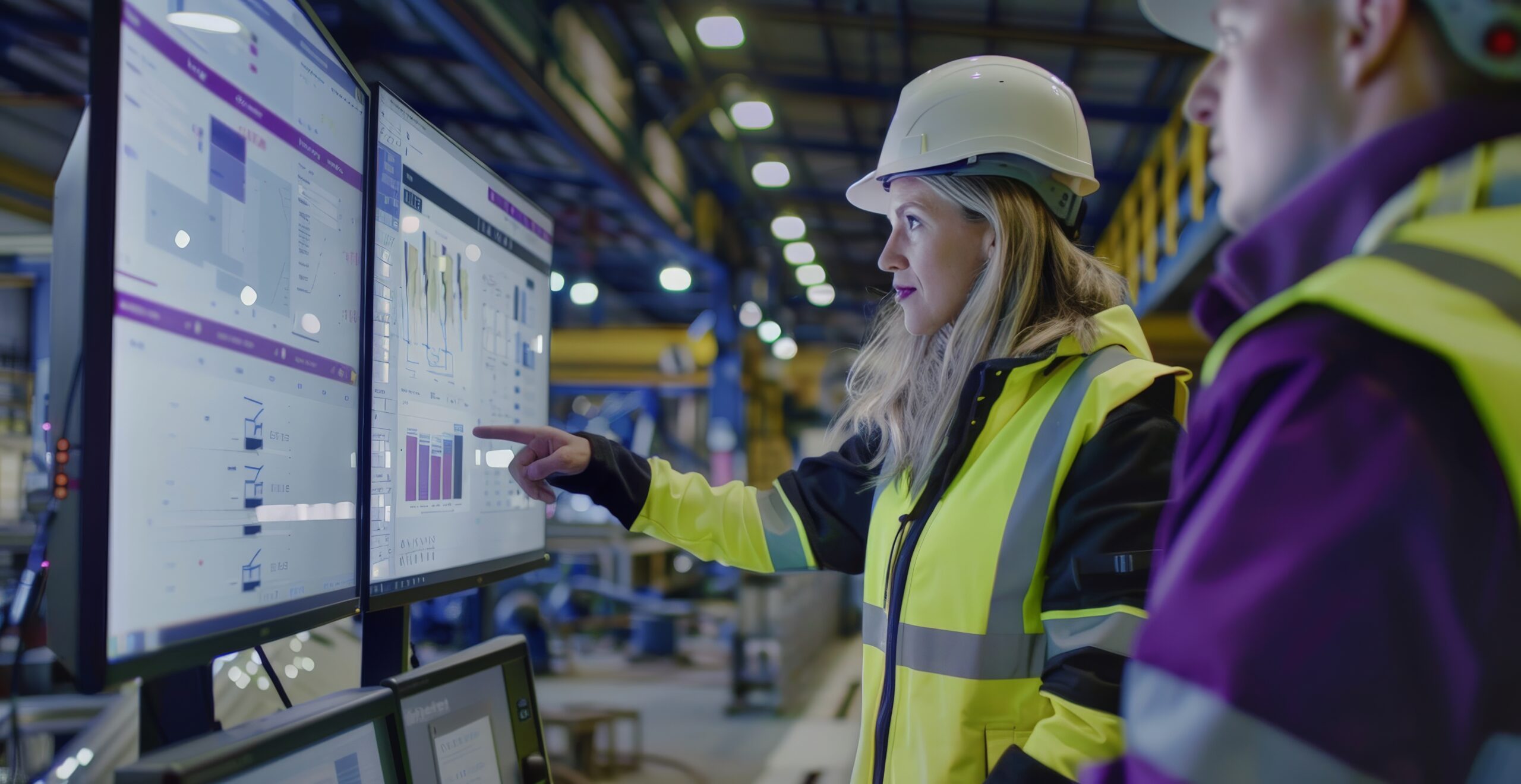

  • Why Real-Time Workforce Tracking Is a Game Changer for Smart Staffing Solutions

    Why Real-Time Workforce Tracking Is a Game Changer for Smart Staffing Solutions

    In an industry where time is money, the ability to monitor your workforce in real time can be the difference between staying on schedule and falling behind. For construction sites, industrial projects, and other labor-intensive operations, real-time workforce tracking is more than a technological upgrade—it’s a complete game changer. At StrongForce, we provide smart staffing solutions powered by cutting-edge technology. With our real-time workforce tracking, we’re transforming the way construction sites and industrial operations manage labor, improve productivity, and enhance safety.

    Let’s explore how real-time tracking is reshaping job sites across Canada and why it’s become essential for companies that want to stay competitive, safe, and efficient.

    1. The Need for Real-Time Visibility

    Managing a large, distributed workforce has always been challenging. Traditional methods like manual check-ins, punch cards, and periodic supervision often fall short, especially on dynamic job sites. Workers move from one location to another, tasks evolve throughout the day, and supervisors can’t be everywhere at once.

    This is where real-time tracking steps in. By using GPS-enabled devices, wearables, or workforce management apps, site managers can now see exactly who is on-site, where they are, and what they’re working on—instantly.

    Key Benefits:

    • Eliminates guesswork and miscommunication.
    • Helps optimize staffing in real time.
    • Reduces time theft and unauthorized absences.

    2. How Real-Time Workforce Tracking Boosts Job Site Productivity

    By leveraging smart staffing solutions, site managers can gain real-time visibility into workforce activities, making it easier to allocate resources efficiently and address any emerging bottlenecks. This ensures that your resources are utilized efficiently. Delays caused by idle workers or misassigned tasks can quickly snowball into missed deadlines and inflated costs.

    With real-time tracking:

    • Project managers can redirect workers as site priorities change.
    • Supervisors can identify underperforming areas and deploy reinforcements.
    • Companies can benchmark productivity based on actual data.

    In short, real-time insights make your operations leaner and smarter.

    3. Enhancing Safety Protocols with Real-Time Workforce Tracking

    Integrating smart staffing solutions with real-time tracking enhances site safety and compliance, ensuring that your team adheres to all safety protocols and regulations.

    For example:

    • In an emergency, site managers can quickly locate all workers and ensure everyone is accounted for.
    • If someone enters a restricted or hazardous area, automated alerts can notify supervisors instantly.
    • Real-time data can support incident investigations, helping identify causes and prevent future risks.

    Additionally, compliance with labor laws and safety protocols becomes easier when there’s a digital log of attendance, break times, and worker movements. If you’re looking to enhance your site’s safety standards even further, check out our guide on 2025 Workplace Safety & Construction Best Practices.

    4. Real-Time Accountability and Transparency

    One of the biggest concerns for clients hiring temporary or contract labor is accountability. Who showed up? What were they doing? How long did they work?

    Real-time workforce tracking provides answers—instantly and accurately.

    At StrongForce, we use real-time tools that allow:

    • Verified digital timekeeping.
    • GPS-tracked clock-ins and clock-outs.
    • Task-specific reporting.

    This builds trust with clients, improves billing accuracy, and strengthens our reputation for reliability. When clients know they’re getting exactly what they’re paying for, it becomes a powerful value proposition.

    5. Collaboration With Site Security Providers

    Real-time tracking also opens up powerful opportunities to integrate with site security systems. For instance, our collaboration with LiveSecure—a leading provider of construction site security in Canada—enhances safety, verification, and incident reporting.

    LiveSecure’s on-site inspections, first-audit logs, and upcoming real-time guard reporting app perfectly complement workforce tracking, ensuring no blind spots in security or labor management. Together, we’re creating job sites that are smarter, safer, and more responsive.

    This integration is especially valuable for clients who want end-to-end visibility—from staffing to site protection.

    6. Data-Driven Decision Making

    The benefits of real-time tracking don’t stop at the end of the workday. The data collected over time provides powerful insights that help companies improve future planning.

    With historical tracking data, you can:

    • Identify peak productivity hours.
    • Evaluate worker performance objectively.
    • Forecast staffing needs for similar future projects.
    • Make informed decisions on subcontracting or overtime.

    Data transforms gut-feel management into evidence-based leadership, leading to better project outcomes.

    7. Cost Savings That Add Up

    By choosing smart staffing solutions, companies can streamline their operations and reduce unnecessary overhead, leading to significant cost savings across the project lifecycle. Here’s how it adds up:

    • Fewer admin hours are spent tracking attendance and hours manually.
    • Reduced overtime costs through better planning.
    • Minimized errors in payroll and billing.
    • Lower insurance premiums through improved safety tracking.
    • Less downtime and project overruns.

    When every dollar and every minute counts, the ROI of real-time workforce tracking becomes clear.

    8. A Competitive Advantage for Staffing Providers

    At StrongForce, our clients rely on us for more than just filling shifts—they expect accountable, high-performance teams that deliver results. By integrating real-time tracking into our staffing solutions, we’re able to offer:

    • Transparent reporting to clients.
    • Faster issue resolution.
    • Better communication between workers, supervisors, and clients.
    • Verified worker attendance and activity.

    This gives us a strong edge over traditional staffing companies. We don’t just supply workers—we provide a smart workforce solution powered by real-time insights.

    9. Future-Proofing Your Operations

    As technology becomes more embedded in construction and industrial operations, the companies that adapt early will thrive. Real-time tracking is quickly becoming an industry standard—not a luxury.

    Whether you manage a single job site or dozens across multiple provinces, real-time tracking tools will help you:

    • Scale more efficiently.
    • Maintain consistent quality.
    • Adapt quickly to project demands.
    • Offer a modern, tech-enabled experience to both clients and workers.

    At StrongForce, we are constantly evolving to bring cutting-edge staffing services that align with these future-forward expectations.

    Conclusion: A Smarter Way to Work

    Real-time workforce tracking isn’t just about knowing where your workers are—it’s about building a smarter, safer, and more efficient job site. It brings transparency to labor management, improves safety, supports compliance, and delivers measurable ROI.

    For clients working with StrongForce, it’s the difference between guessing and knowing, between reacting and planning, between delays and delivery.

    StrongForce is proud to lead the shift toward smarter staffing. With our focus on real-time visibility and accountability—and strategic integrations with partners like LiveSecure—we help job sites across Canada operate at peak performance, day in and day out.

  • How Technology is Transforming the Construction & Labor Industry

    How Technology is Transforming the Construction & Labor Industry

    Smart construction solutions are revolutionizing the industry by blending traditional labor practices with cutting-edge technologies. Labor-intensive work has long defined the construction sector. But today, innovations like automation, AI project management, and wearable technology are transforming how construction companies operate. This blog explores the major technological breakthroughs that are reshaping labor management and modern construction operations.

    1. Automation & Robotics in Construction

    The industry witnessed a major shift with the rise of robotic automation. Robotics and AI-based systems are changing how buildings are constructed. Technologies like bricklaying robots, automated welding systems, and 3D printing reduce human error and cut labor costs. These solutions also help complete projects faster and more efficiently.

    2. Artificial Intelligence & Machine Learning for Project Management

    Artificial intelligence supports smarter project planning and resource allocation. Machine learning analyzes massive data sets to predict delays and improve workflow. Project managers can use these tools to track progress, schedule crews, and boost productivity in real time.

    3. Wearable Technology & Safety Enhancements

    Construction industries dedicate the highest importance to protecting their workers from harm. Smart helmets connected to sensors on vests and exoskeleton suits aid the observation of worker situations by lowering injuries and strengthening construction site protection. The Internet of Things functionality in wearable devices enables direct vital signs tracking of workers while simultaneously spotting potential risks before workplace accidents happen.

    4. Drones for Site Monitoring & Surveying

    Construction operations find drones essential for their capabilities to generate high-definition aerial data and perform site analysis and monitoring functions. The unmanned aerial vehicles (UAVs) support contractors by finding problems in the site and maintaining precise measurements of dimensions and performing streamlined inspections without needing manual site checks.

    5. Digital Workforce Management & Mobile Applications

    Cloud-based workforce management systems and mobile applications are changing how labourers have been scheduled, tracked, and managed. Real-time reporting applications, digital attendance tracking, and automated payroll systems allow for smoother operations and increased accountability.

    6. Smart Materials & Sustainable Innovations

    Emerging smart construction materials contribute to improving efficiencies and sustainability. Self-healing concrete, energy-efficient insulation, and eco-friendly alternatives are lessening their environmental impact while also improving structures’ durability. Sustainable technologies also contribute to the reduction of carbon footprints and the promotion of green building standards.

    7. The Future of Technology in Construction

    The construction industry today stands at a crossroads where it requires technology-driven innovations rather than merely using them as an option. Companies that embrace AI, automation, IoT, and sustainability will gain that very competitive edge, in turn driving efficiency and creating safer, smarter environments.

    StrongForce stays ahead of the curve by providing the latest technologies in its workforce solutions, thus guaranteeing top-of-the-line labour management and security services for every client.

    Final Thought: Embrace Technology, Build the Future

    At StrongForce, we stay ahead of the curve by integrating the latest technologies into our workforce solutions, ensuring our clients receive top-tier labor management and security services. Our workforce is not only skilled in traditional construction practices but also trained to adapt to emerging technologies, making us the ideal manpower provider for future-ready construction sites. Our manpower solutions ensure that construction sites are staffed with professionals who are adaptable to new technologies and can optimize their use. We provide skilled labor solutions that integrate seamlessly with AI-powered project management systems, ensuring smooth collaboration between labor teams and technology-driven management tools. At StrongForce, we prioritize safety by equipping our workforce with the latest in wearable technology, helping construction companies maintain compliance with modern safety standards while protecting their workers.

  • Workplace Safety in Construction: Best Practices to Protect Your Team

    Workplace Safety in Construction: Best Practices to Protect Your Team

    Construction sites are among the most hazardous workplaces, with risks ranging from falls and equipment accidents to hazardous material exposure. According to the Association of Workers’ Compensation Boards of Canada (AWCBC), the construction industry reported over 26,000 workplace injuries in 2023. At StrongForce, we prioritize safety through strict protocols, advanced training, and high-quality protective gear to ensure every worker returns home safely.

    Essential Safety Protocols StrongForce Follows

    1. Personal Protective Equipment (PPE) Compliance

    Equipping workers with helmets, gloves, steel-toed boots, high-visibility vests, and respirators significantly reduces injury risks. In fact, studies show that correct PPE usage can prevent up to 60% of workplace injuries. To ensure this, StrongForce provides all workers with industry-approved PPE and conducts regular compliance checks.

    2. Comprehensive Safety Training

    To build a strong foundation, every new worker undergoes a rigorous safety orientation. This covers hazard recognition, emergency response, and proper equipment handling.

    In addition, we conduct weekly safety drills and refresher courses. These help workers stay updated on the latest safety regulations and reinforce best practices.

    Moreover, daily pre-shift meetings led by supervisors highlight site-specific risks and necessary precautions, keeping safety top of mind.

      3. Accident Prevention Strategies

      Since falls account for 35% of construction fatalities, StrongForce implements fall arrest systems, guardrails, and safety nets on all elevated work areas.

      Furthermore, heavy machinery accidents contribute to over 21% of construction injuries. To combat this, we enforce daily equipment checks and schedule preventive maintenance to reduce malfunction risks.

      When it comes to hazardous materials, we mandate proper handling, secure storage, and strict disposal protocols. This minimizes the risk of toxic exposure.

      4. Emergency Response Preparedness

      To respond quickly to incidents, all sites are equipped with strategically placed first-aid stations and trained personnel who can provide immediate assistance.

      Additionally, monthly evacuation drills prepare workers for emergencies. These drills reduce panic and ensure faster, more organized responses during real incidents.

      Conclusion

      Workplace safety is non-negotiable at StrongForce. By enforcing best practices in PPE, training, accident prevention, and emergency preparedness, we create a safer, more productive work environment. Prioritizing safety not only protects workers but also enhances project efficiency and reputation in the industry. To learn more, visit www.strongforce.live.

    • How to Choose the Right General labor for projects: A Guide for Contractors

      How to Choose the Right General labor for projects: A Guide for Contractors

      When managing a construction or industrial project, hiring the right workforce is crucial to ensuring efficiency, quality, and cost-effectiveness. Whether you need general labor, skilled tradespeople, or specialized workers, choosing the best team can make all the difference. This guide will help contractors select reliable and competent labor for different types of projects.

      Understanding Your Labor Needs

      Before hiring general labor, clearly define your project’s scope and the type of workforce required:

      • General Labor – Workers responsible for basic tasks such as site cleanup, material handling, and assisting tradespeople.
      • Skilled Trades – Trained professionals like electricians, plumbers, welders, and carpenters who require certification and experience.
      • Specialized Roles – Experts for highly technical or regulated work, such as crane operators, masons, or HVAC technicians.

      Key Factors to Consider When Hiring Labor

      1. Experience and Expertise
        • Verify previous work experience and check for relevant certifications.
        • Look for workers with experience in projects similar to yours.
      2. Reliability and Work Ethic
        • Conduct background checks and request references.
        • Ensure a track record of punctuality, responsibility, and teamwork.
      3. Licensing and Certifications
        • Confirm all necessary licenses and training requirements are met.
        • For trades requiring certification, validate credentials with official bodies.
      4. Safety Awareness
        • Ensure workers have undergone safety training and follow industry standards.
        • Prioritize those with knowledge of workplace safety protocols and procedures.
      5. Flexibility and Adaptability
        • Consider hiring labor that can handle varied tasks and adapt to changing site conditions.
        • Look for problem-solving skills and the ability to work under pressure.

      Vetting Labor Providers

      If sourcing labor through agencies or subcontractors, follow these steps:

      • Check Reputation – Research reviews, testimonials, and past project success.
      • Evaluate Training Programs – Ensure the provider offers ongoing training and skill development.
      • Review Contract Terms – Understand costs, liability coverage, and service agreements before hiring.
      • Inspect Workforce Quality – Request sample work, test skills if necessary, and interview key personnel.

      Conclusion

      Selecting the right workforce is an investment in your project’s success. By thoroughly vetting candidates and labor providers, you ensure efficiency, safety, and high-quality workmanship. Whether hiring general laborers or specialists, taking a strategic approach will lead to better outcomes for your projects.

      At StrongForce, we provide vetted, skilled labor for various construction and industrial needs. Contact us today to build the workforce that powers your success! Visit www.strongforce.live or call us at

    • The Importance of Skilled Labor in Construction: Why Expertise Matters

      The Importance of Skilled Labor in Construction: Why Expertise Matters

      The construction industry is the backbone of infrastructure, housing, and development across the world. Behind every building, bridge, and road is a dedicated workforce—combining craftsmanship, knowledge, and years of training. Skilled labor in construction plays a vital role in project success by ensuring quality, safety, and efficiency. While general labor can manage basic tasks, it’s the skilled worker who meets complex challenges and delivers exceptional results.

      What Is Skilled Labor in Construction?

      Skilled labor refers to workers with specialized knowledge in specific trades. These include carpentry, plumbing, electrical work, welding, and masonry. In contrast to general labor, skilled workers handle intricate, technical tasks that require precision and advanced tools. As a result, their expertise ensures that each phase of construction is completed correctly and efficiently.

      Why Expertise Matters in Construction

      1. Quality of Work

      Skilled workers bring a high level of precision to their tasks. Whether installing electrical systems or building architectural features, their experience minimizes mistakes. This improves structural integrity and long-term durability.

      1. Safety on Site

      Construction involves many hazards. Skilled laborers are trained to follow safety protocols and use protective equipment properly. Their knowledge reduces accidents and helps maintain a safe work environment for everyone.

      1. Better Efficiency and Productivity

      Skilled workers complete tasks faster and with fewer errors. Their experience helps them choose the right tools and methods, which streamlines the workflow. This leads to on-time delivery and reduced project delays.

      1. Strong Problem-Solving Abilities

      Every construction project faces unexpected issues. Skilled laborers can quickly adapt, troubleshoot problems, and implement solutions. Their ability to think on their feet prevents minor problems from escalating.

      Rising Demand for Skilled Labor in Construction

      The construction industry is facing a labor shortage. Larger and more complex projects are increasing the demand for skilled workers. However, factors like an aging workforce and fewer young people entering trades have created a gap.

      This shortage leads to delays, rising costs, and reduced quality. Investing in training and apprenticeship programs is essential for addressing this challenge.

      The Impact of Skilled Labor on Project Costs

      While it’s true that skilled labor often comes at a higher cost, the long-term savings far outweigh the initial investment. Skilled workers are efficient and experienced, which reduces the likelihood of costly errors, delays, and rework. By ensuring that the work is done correctly the first time, they help keep the project on budget and on schedule.

      In addition, skilled workers are more adept at using tools and materials efficiently, further reducing waste and maximizing productivity. This is a win for both construction companies and their clients, as it results in a better bottom line.

      The Cost Benefits of Hiring Skilled Labor

      Skilled labor may cost more upfront, but it saves money in the long run. Their efficiency and accuracy prevent costly errors and reduce the need for rework. Skilled workers also know how to minimize material waste, which improves overall cost-effectiveness.

      Building a Skilled Workforce

      A skilled workforce begins with training. Many companies now offer apprenticeship programs and hands-on learning. These efforts provide real-world experience for individuals entering the industry.

      Governments can also support this by offering grants, incentives, and vocational education programs. Encouraging trade careers among young people is key to closing the labor gap.

      The Role of Technology in Skilled Labor

      Construction is rapidly evolving. Technologies like BIM, 3D printing, and smart tools are becoming standard. Skilled laborers must keep up by learning how to use these advanced tools effectively.

      For example, electricians now work with smart systems, and carpenters may use digital measurement tools. Continuous learning is necessary for maintaining quality and efficiency in a tech-driven environment.

      Conclusion

      Skilled labor in construction is essential for delivering high-quality, safe, and timely projects. As the demand grows, it’s critical to invest in education and training.

      At StrongForce, we understand the value skilled workers bring to every site. Whether you’re looking to build a strong team or start a construction career, we’re here to help.

      Connect with us today to learn how we can support your workforce goals and help you build the future of construction.

    • The Future of Construction Worker: Trends and Innovations in 2025

      The Future of Construction Worker: Trends and Innovations in 2025

      The construction industry stands at a pivotal juncture in 2025, shaped by rapid technological advancements, automation, and shifting workforce dynamics. These factors are redefining construction worker roles and construction project execution, presenting both challenges and opportunities for industry stakeholders.

      Technological Advancements Transforming Construction Workers in Vancouver

      The integration of advanced construction technology has revolutionized traditional building practices, leading to increased efficiency, cost savings, and improved safety. Key innovations include:

      1. Artificial Intelligence (AI) and Machine Learning

      AI in construction is transforming project planning, risk management, and resource allocation. AI-powered tools analyze vast datasets to predict delays, improve construction site safety, and optimize workforce deployment.

      2. Building Information Modeling (BIM)

      BIM technology allows stakeholders to collaborate in real-time, visualize design changes, and reduce project errors. This results in improved efficiency and lower costs in construction projects.

      3. Robotics and Automation

      The rise of robotic construction worker has alleviated skilled labor shortages by automating repetitive tasks such as bricklaying and concrete dispensing, improving precision and reducing human error.

      4. Augmented Reality (AR) and Virtual Reality (VR)

      AR in construction enhances on-site visualization, improving construction safety training and design accuracy. VR training for construction workers is also gaining popularity, helping laborers upskill in a controlled environment.

      These technological advancements collectively contribute to increased productivity in construction, improved workforce safety, and better project management.

      The Evolving Workforce Landscape

      Despite construction industry innovations, companies continue to face significant labor challenges:

      • Shortage of Skilled Construction Worker: With an aging workforce and declining interest among younger generations, the demand for skilled labor in construction is at an all-time high.
      • Attracting Young Talent: The industry struggles to appeal to millennials and Gen Z workers, who prefer tech-driven careers over traditional construction jobs.
      • Upskilling the Workforce: The rapid adoption of new construction technologies requires constant training and development programs to ensure workers remain competitive.

      Innovative Responses to Workforce Challenges

      To overcome these issues, construction companies are implementing strategic labor solutions:

      1. Comprehensive Training Programs

      Investing in construction worker training ensures employees can effectively use advanced construction tools and methodologies, enhancing overall construction productivity.

      2. Collaboration with Educational Institutions

      Partnerships with trade schools and vocational programs help attract and nurture fresh talent, securing a steady pipeline of skilled construction workers.

      3. Flexible Staffing Solutions

      On-demand construction staffing solutions allow firms to adjust labor according to project needs, reducing costs while maintaining quality.

      StrongForce’s Adaptation to Industry Changes

      At StrongForce, we recognize these challenges and are actively adapting to industry changes through:

      • Providing Skilled and General Labor: Our team consists of highly trained professionals who ensure quality and efficiency in every project.
      • Investing in Training: We prioritize continuous workforce upskilling, ensuring our workers are proficient in construction automation and safety protocols.
      • Offering Flexible Workforce Management: Our construction staffing solutions allow clients to scale their labor force based on project demands, optimizing both productivity and cost-effectiveness.

      The Road Ahead: Balancing Technology and Human Expertise

      While construction automation and AI play a vital role in shaping the industry’s future, human expertise remains indispensable:

      • Problem-Solving in Complex Projects: Skilled workers provide critical thinking and adaptability that machines cannot replicate.
      • Creative Design & Execution: Human creativity is essential for designing and implementing innovative construction solutions.
      • Client Relations: Strong relationships and personalized service remain crucial for successful construction business growth.

      Conclusion

      The future of construction labor is an intricate blend of cutting-edge technology and skilled workforce adaptability. Companies that embrace this evolution, invest in training, and leverage staffing flexibility will thrive in 2025 and beyond.

      Call to Action

      At StrongForce, we specialize in providing top-tier construction labor solutions to meet the industry’s evolving demands. Our skilled workforce is equipped to handle modern construction challenges with efficiency and precision.

      Partner with StrongForce today and ensure your construction projects have the best professionals for success! Visit us at www.strongforce.live now!